


 Česky (CZK)
 Slovensky (EUR)


How to become a Formula Kite racer
How do you become a Formula Kite racer? My journey from landlocked Czechia to the doorstep of the Olympics.
People often ask me: “Hey, why on earth did you choose kiteboarding of all things? We don’t even have a sea in the Czech Republic!”….. Well… I often can’t even find an answer to that question. I guess the sport chose me rather than the other way around. So I just laugh and move on.
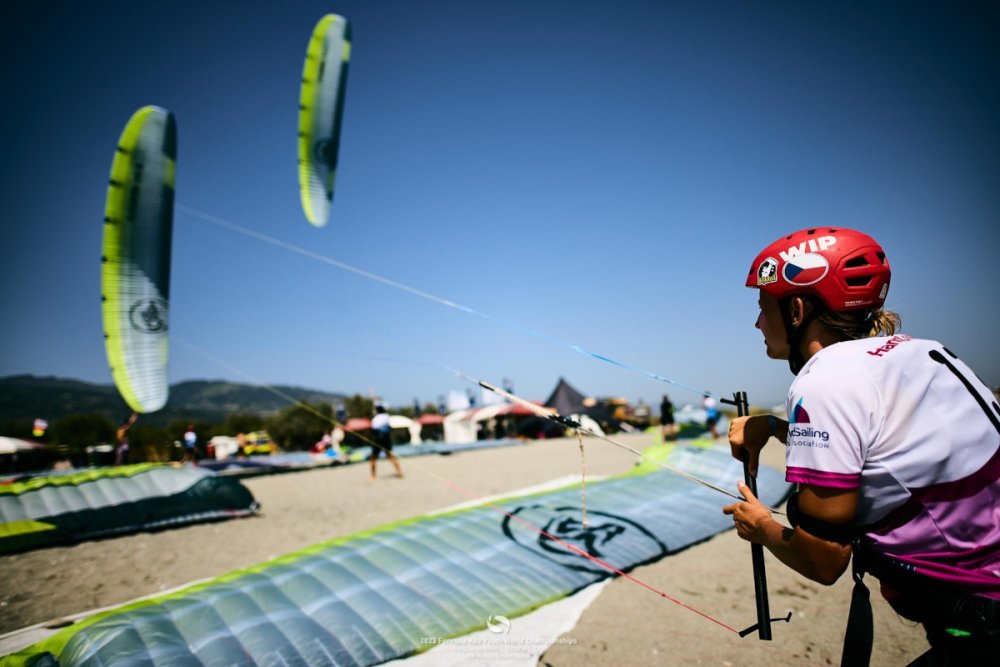
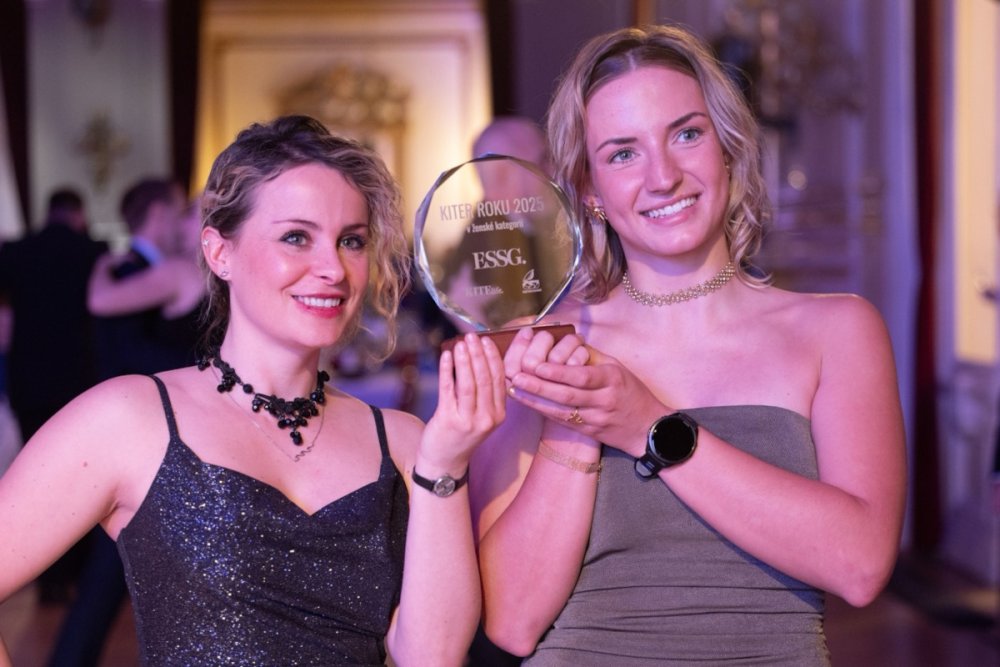
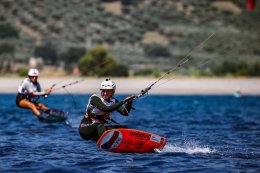
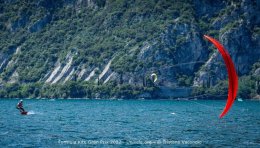
Even though I’m the only Czech female competitor in this class and have to travel abroad to find the sea, it’s now 2026, I’m looking ahead to the spring qualification events, and I’m fighting for a ticket to the 2028 Olympics. How did it all happen? Let’s take a look :-)
“You don’t have a sea, so just give up.”
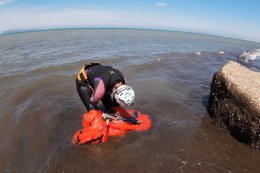
Sure, it’s a disadvantage. While my competitors from coastal countries have been growing up on the water since childhood, kiteboarding is part of their everyday lives. I had to make up for the gap in other ways. The beginning? Absolute carnage. I remember days when I came out of the water a thousand times with my kite packed away and soaked, crying and cursing myself under my breath, wondering why on earth I was still doing this. I kept telling myself I’d never get back on the water again.
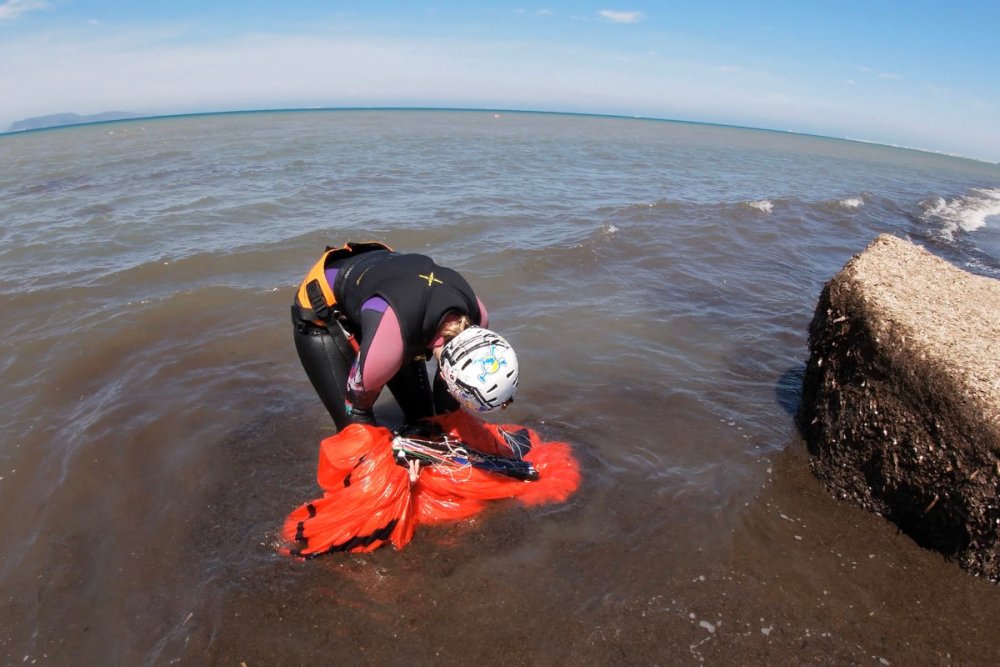
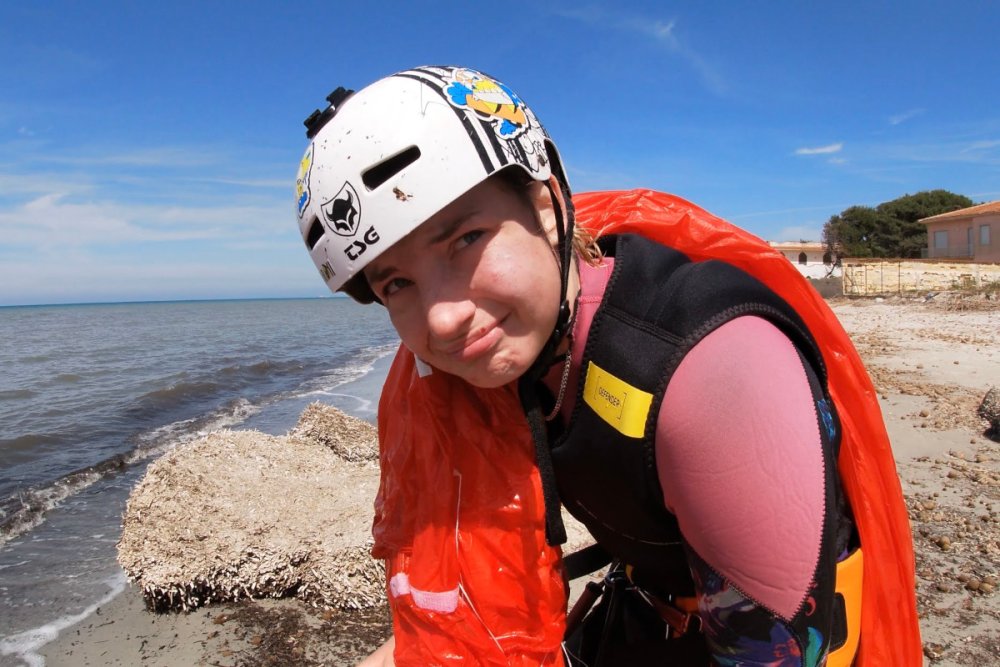
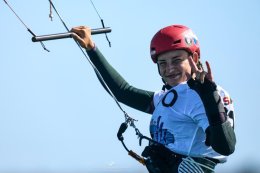
Well, look at me now. I’m still here! :-)
Step by step: How does a “swimmer” become a racer?
My foiling journey began in the spring of 2021. For a long time, I was entirely self-taught, but I simply couldn’t get the turns right. I kept trying and struggling, but nothing worked. The turning point came in early June 2022, when I took a week-long course with Lukáš Vogeltanz. It was only under his guidance that everything finally clicked and I learned how to perform the maneuvers.
And what do you think happened next? Just a few days after returning home, at the end of June 2022, I jumped straight into my very first competition! If you think I was ready, absolutely not. I’d only been practicing my turns for about ten days, so half of my debut was all about survival and swimming. But that’s how my racing career began.
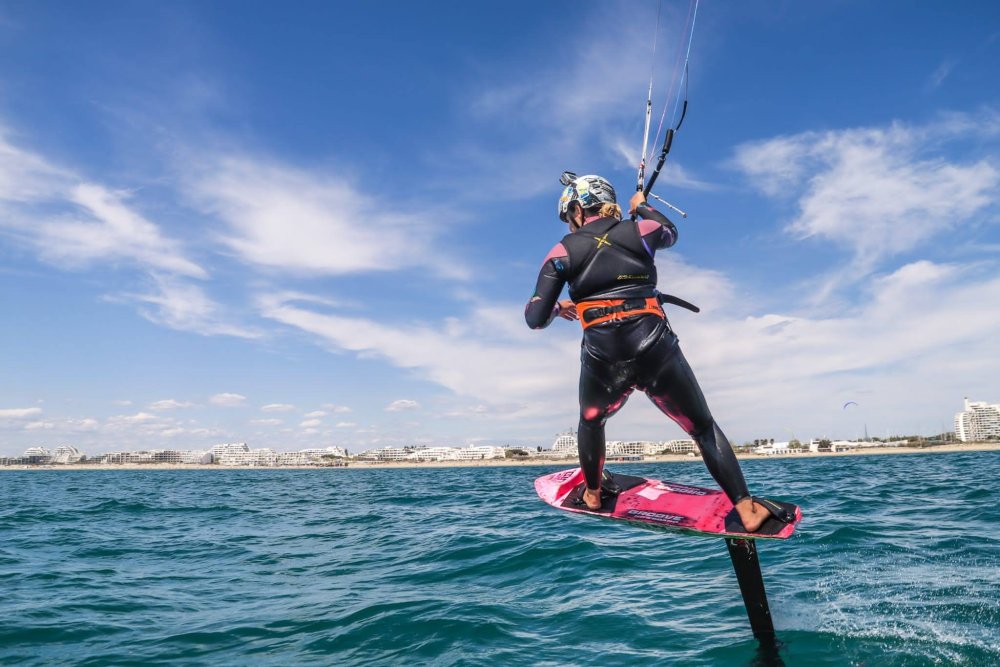
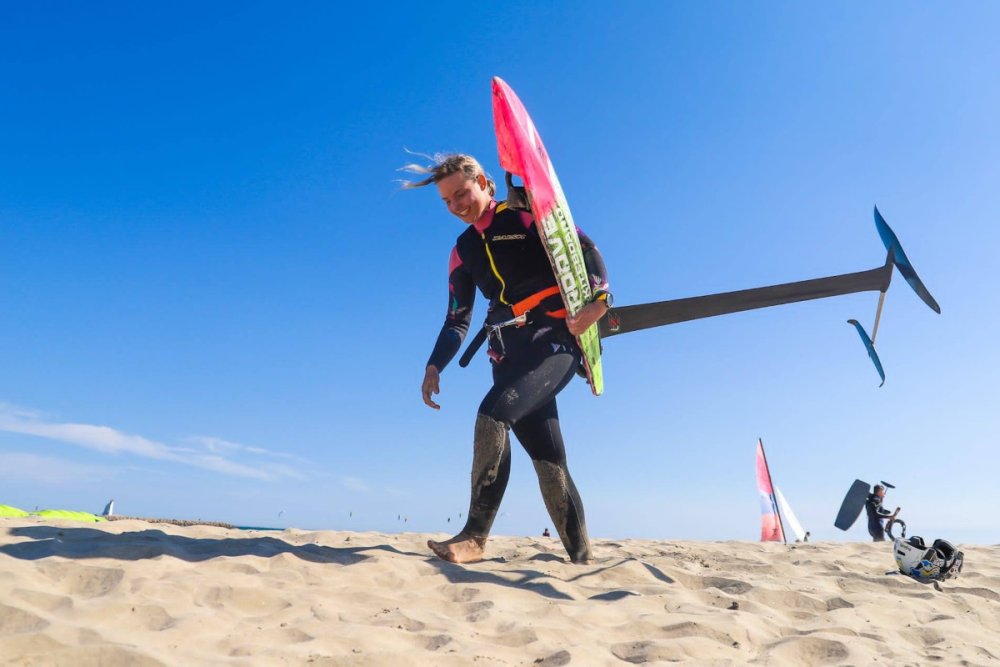
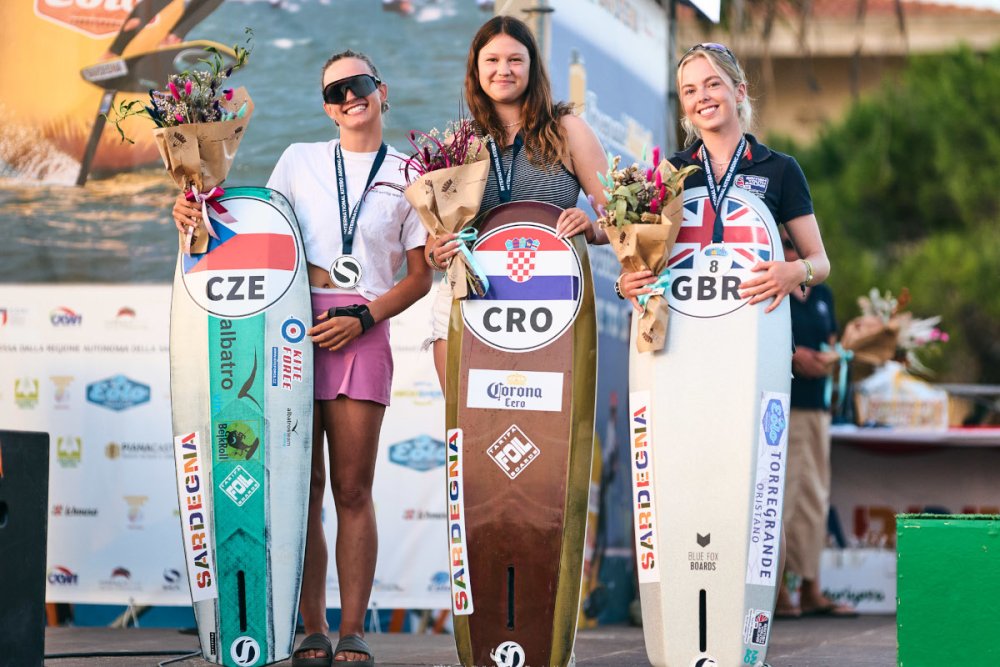
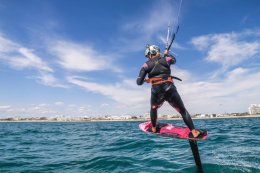
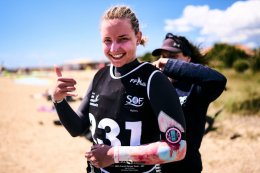
Thankfully, since then I’ve spent much more time foiling than swimming. Some of my biggest achievements so far include 7th place at the 2025 U21 World Championships, 19th place at the 2026 European Championships, and being named KITER OF THE YEAR 2025.
If you’re interested in Formula Kite and wondering whether you have what it takes, here are a few things you should be prepared for:
Patience and resilience - Progress doesn’t happen overnight. You may feel like you’ve mastered everything, but then you get out on the water, the conditions change, and suddenly you’re back at square one. You can’t control the conditions… The wind blows however it pleases, and the waves do whatever they want, too. Not every day is going to be a good one, and that’s normal. The main thing is not to give up, even when reality gives you a good slap in the face and makes you swallow a mouthful of seawater.
Don’t be afraid to give it a try - I’m living proof of that myself. You don’t have to have everything perfectly figured out from day one. What matters is having the courage to take that first step and give it a go. After all, the best way to learn how to race is simply to start racing.
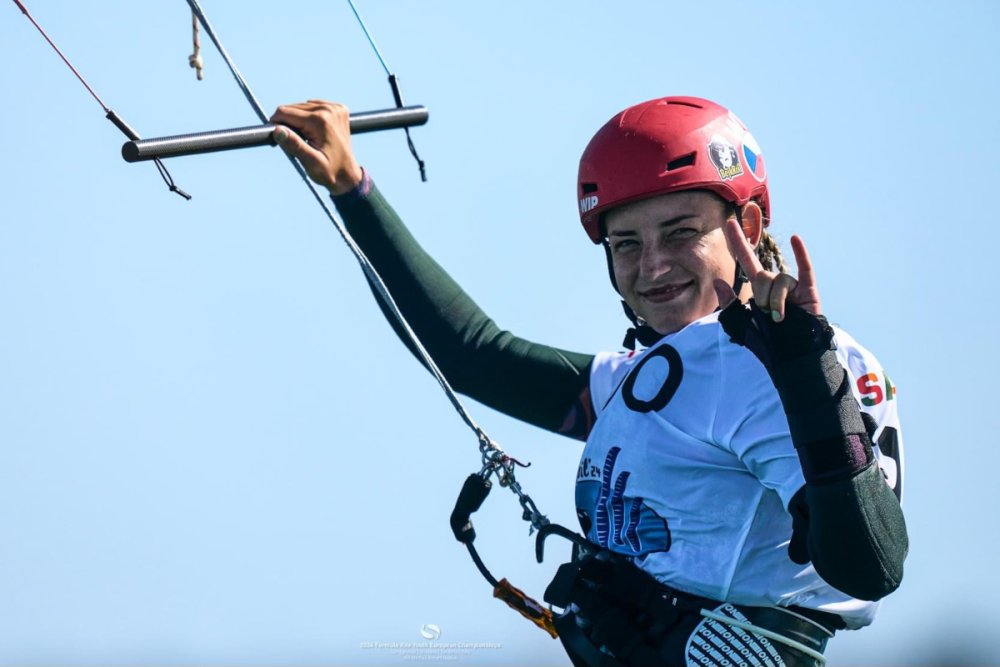
What formal requirements do you need to meet before entering your first race?
Leaving aside the huge amount of determination you’ll need, you can’t do it without the paperwork and approved equipment. So, what do you need to get and arrange?
- World Sailing ID: An international competitor identification number issued by World Sailing. You can easily obtain one through the Czech Sailing Association.
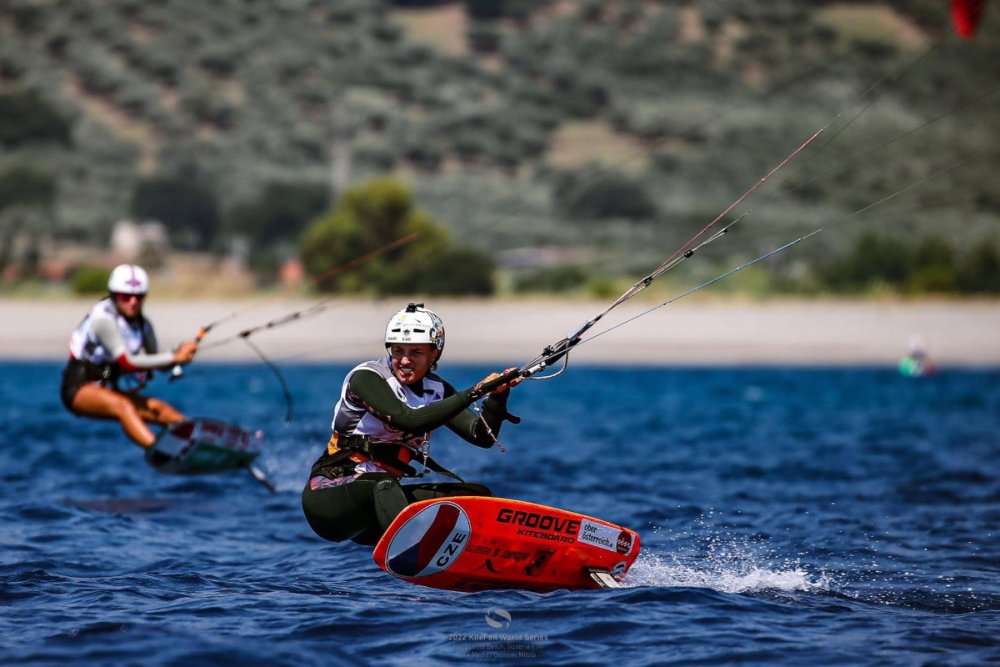
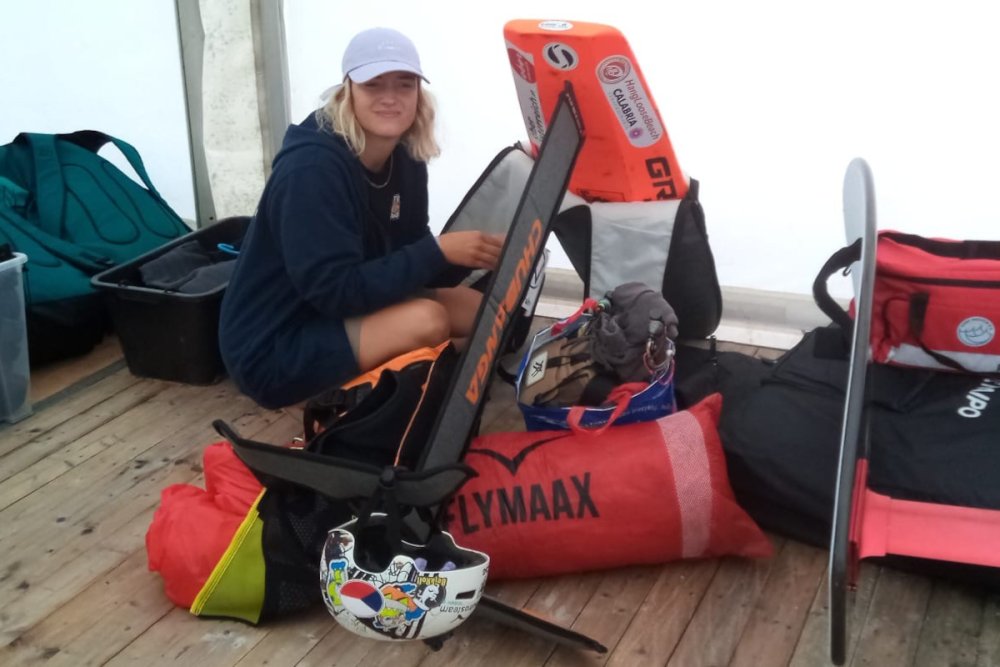
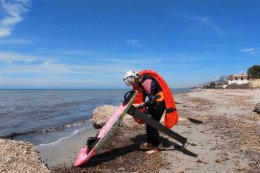
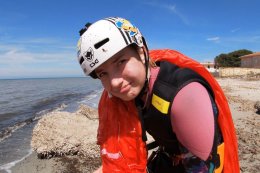
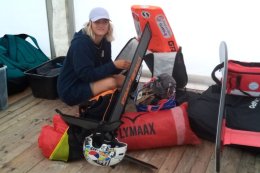
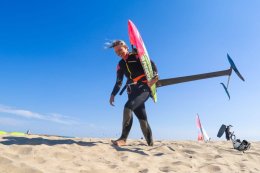
- Approved equipment: In Formula Kite, the equipment is clearly specified and approved, so there isn’t much choice. You’ll need a foil (Chubanga or Levitaz) and kites (Ozone, Flysurfer, or Element). For safety reasons, you’ll also need a brightly colored helmet, a 50N buoyancy aid, and a line cutter. All of this is checked at every competition.
- Pay the entry fee and take the plunge: Once you have your ID, your equipment, and, most importantly, the courage to give it a go, there’s only one thing left to do…. register, pay the entry fee, show up at the spot, and line up alongside the best competitors in the sport.
To wrap things up, I want to say that making it to the top of the kiteboarding world is no walk in the park. It comes with constant travel, searching for wind, and pushing your own limits. But when I look back, I don’t regret a single thing—not one hour or minute spent training, swimming, sinking my kite, or doing anything else along the way.
I’m incredibly grateful for this journey, and I wholeheartedly recommend it to everyone. The road may not be easy, but what awaits you at the end is absolutely priceless. The goal of this article isn’t just to share my journey, but above all to get you—newcomers and future racers—out on the water and into our community. I’d love to see you out there. Hopefully, see you on the starting line!
Ciao, Domča

Recommended products3
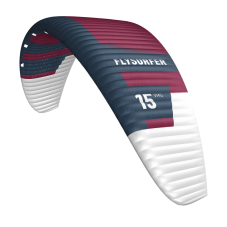
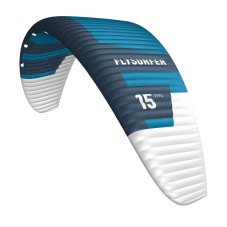
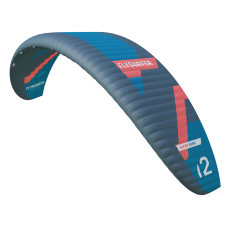
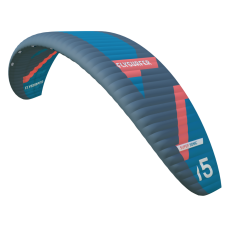
Kite FLYSURFER VMG3
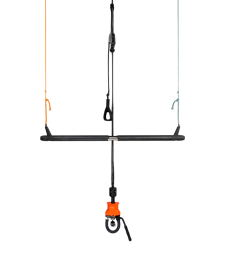
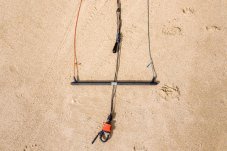
FLYSURFER SYNC Carbon Free Bar
Discussion