


 Česky (CZK)
 Slovensky (EUR)
The history of kiteboarding brand Peter Lynn
Beginnings: from children's kites to a technical revolution
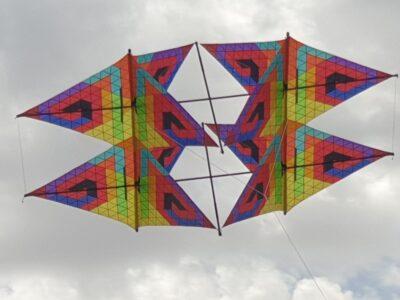
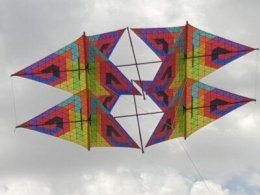
The Peter Lynn company was founded in the early 1970s in New Zealand, when Peter Lynn and his wife began producing simple single-line kites. (Wikipedia) As early as 1974, Lynn introduced his own design solution – the so-called box kite, which demonstrated his technical approach to construction.
What started as a hobby and a small family business gradually evolved into an innovative company that pushed the boundaries of aerodynamics and kite design.
Innovations that defined modern kiting
Peter Lynn was not “just” a kite manufacturer. He was above all an engineer and innovator. His key contributions include:
- 1970s–80s: early experiments with traction kiting and the use of kite power for movement (kite sailing, ice skating)
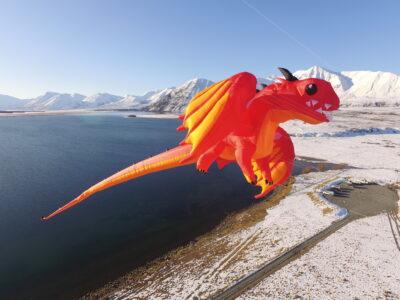
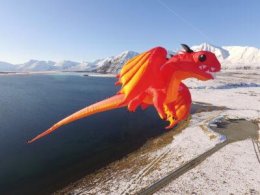
- Development of giant inflatable kites, which became icons of kite festivals around the world.
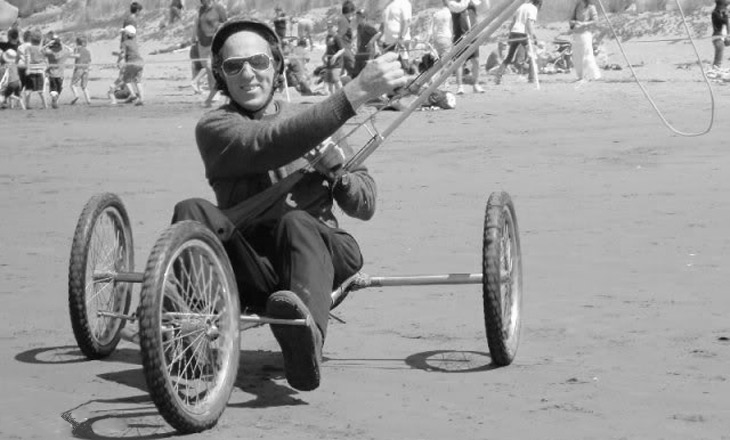
- 1990: invention of the kite buggy, which for the first time demonstrated the practical use of wind power on land
- Popularization of the sport of kite buggying, which grew out of his experiments with wind-powered vehicles.
- 1991: launch of the Peel model, often referred to as the “grandfather of power foil kites”
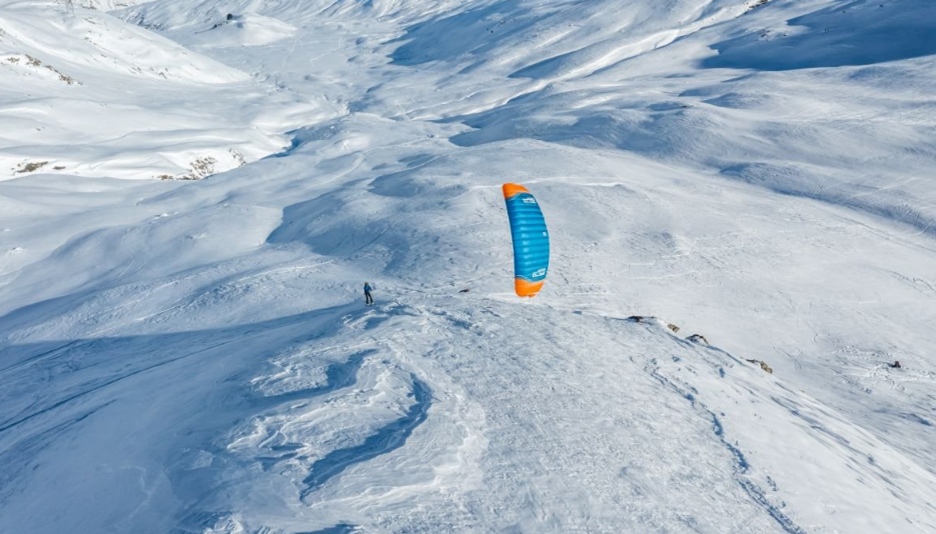
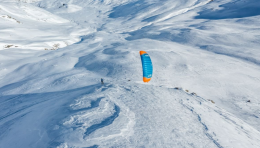
- Development of power kites for landkiting, snowkiting, and kitesurfing.
- 1997: development of the legendary C-Quad
- Introduction of construction technologies such as ram-air systems and hybrid kites.
- 1999: introduction of the revolutionary Arc (Twinskin) kite design
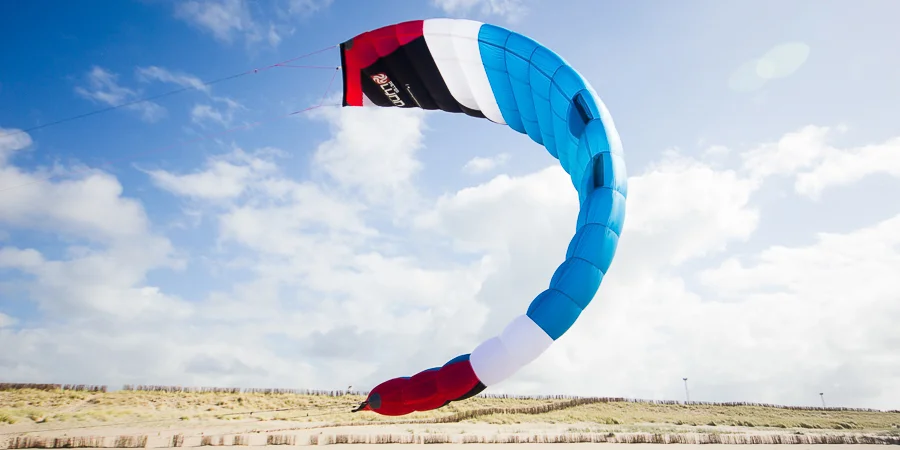
These technologies became the foundation of modern power kite systems and significantly influenced today’s equipment.
- 2006: launch of models Vibe (now Hype), Hornet, Impulse and Twister – affordable and powerful kites for beginner riders
- 2009: dominance of the Vapor model at the European kite buggy championship – confirming the brand’s technological lead
- 2011–2012: entry into the inflatable (LEI) kiteboarding segment (Escape, Fury) and expansion into water kiting
- 2012+: development of the depower foil kite range (e.g., Lynx, Leopard) for various disciplines
- 2017: launch of the performance model Aero for racing and light-wind use
- 2018+: expansion of the portfolio to include complete kiteboarding equipment, including boards
His projects also made it into the Guinness Book of Records – for example, the gigantic kite “Megabite” with an area of 635 m², which was once the largest kite in the world. In 2009, the Vapor model was introduced at the European Kite Buggy Championship, where it dominated the races. In the following years, Vapor continued to dominate the international buggy racing scene, winning numerous national titles, multiple European and World Championship titles, and setting the current world speed record in kite buggy at 134 km/h.
The Peter Lynn brand today
The Peter Lynn brand has gradually established itself as one of the leaders in:
- kite buggy and accessories
- equipment for landkiting, snowkiting, and kiteboarding
An emphasis on technical precision, stability, and safety remains a core pillar of the product portfolio.
Legacy of the founder
The world of kiting lost one of its most prominent figures in April 2026. New Zealand designer and visionary Peter Lynn (1946–2026), founder of the brand bearing his name, passed away on April 11, 2026, at the age of 79. However, his legacy remains deeply embedded in every branch of kiting. Peter Lynn was not only a designer but also a visionary who understood kiting as a combination of sport, technology, and freedom of movement. His work helped transform kiting from a recreational activity into a fully-fledged sport.
He passed away after battling illness, but left behind a legacy that will inspire future generations of riders and developers.
Cheers, Leguán

Discussion